
Opera
Trittico: Il Tabarro, Suor Angelica, Gianni Schicchi
, , , July 2024
The opera
- Composer
- Giacomo Puccini
Conductor and director
Characters and cast
-
Michele Franco Vassallo
-
 Tenor
Luigi
Roberto Aronica
-
Tinca Xin Zhang
-
Talpa Luciano Leoni
-
Giorgetta Chiara Isotton
-
Frugola Cristina Melis
-
Un venditore di canzonette Marco Puggioni
-
Un amante Cristobal Campos
-
Una amante Tatiana Previati
-
Suor Angelica Chiara Isotton
-
La Zia Principessa Chiara Mogini
-
La Badessa Manuela Custer
-
La Suora Zelatrice Elena Borin
-
La Maestra delle Novizie Federica Giansanti
-
Suor Genovieffa Vittoriana De Amicis
-
Suor Osmina Maria Cenname
-
Suor Dolcina Mariapaola Di Carlo
-
La Suora Infermiera Laura Cherici
-
Prima Cercatrice Tatiana Previati
-
Seconda Cercatrice Hyeonsol Park
-
Le Converse Anna Grotto
-
Le Converse Federica Fiori
-
Una Novizia Laura Stella
-
Gianni Schicchi Roberto de Candia
-
Lauretta Darija Augustan
-
Zita Manuela Custer
-
Rinuccio Giorgio Misseri
-
Gherardo Xin Zhang
-
Nella Vittoriana De Amicis
-
Betto di Signa Luciano Leoni
-
Simone Mattia Denti
-
Marco Michele Patti
-
La Ciesca Laura Cherici
-
Maestro Spinelloccio Marco Gazzini
-
Ser Amantio di Nicolao Bryan Sala
-
 Baritone
Guccio
Giulio Iermini
-
Pinellino Zhibin Zhang
-
Gherardino Agnesa Batrinac
-
Gherardino Michelle Lamieri
-
Michele Franco Vassallo
-
Michele Dario Solari
-
Tenor
Luigi
Roberto Aronica
-
Luigi Mikheil Sheshaberidze
-
Tinca Xin Zhang
-
Talpa Luciano Leoni
-
Giorgetta Chiara Isotton
-
Frugola Cristina Melis
-
Un venditore di canzonette Marco Puggioni
-
Un amante Cristobal Campos
-
Una amante Tatiana Previati
-
Suor Angelica Chiara Isotton
-
La Zia Principessa Chiara Mogini
-
La Badessa Manuela Custer
-
La Suora Zelatrice Elena Borin
-
La Maestra delle Novizie Federica Giansanti
-
Suor Genovieffa Vittoriana De Amicis
-
Suor Osmina Maria Cenname
-
Suor Dolcina Mariapaola Di Carlo
-
La Suora Infermiera Laura Cherici
-
Prima Cercatrice Tatiana Previati
-
Seconda Cercatrice Hyeonsol Park
-
Le Converse Anna Grotto
-
Le Converse Federica Fiori
-
Una Novizia Laura Stella
-
Gianni Schicchi Roberto de Candia
-
Lauretta Darija Augustan
-
Zita Manuela Custer
-
Rinuccio Giorgio Misseri
-
Rinuccio Francesco Castoro
-
Gherardo Xin Zhang
-
Nella Vittoriana De Amicis
-
Betto di Signa Luciano Leoni
-
Simone Mattia Denti
-
Marco Michele Patti
-
La Ciesca Laura Cherici
-
Maestro Spinelloccio Marco Gazzini
-
Ser Amantio di Nicolao Bryan Sala
-
Baritone
Guccio
Giulio Iermini
-
Pinellino Zhibin Zhang
-
Gherardino Agnesa Batrinac
-
Gherardino Michelle Lamieri
-
Michele Franco Vassallo
-
Michele Dario Solari
-
Tenor
Luigi
Roberto Aronica
-
Luigi Mikheil Sheshaberidze
-
Tinca Xin Zhang
-
Talpa Luciano Leoni
-
Giorgetta Chiara Isotton
-
Giorgetta Amarilli Nizza
-
Frugola Cristina Melis
-
Un venditore di canzonette Marco Puggioni
-
Un amante Cristobal Campos
-
Una amante Tatiana Previati
-
Suor Angelica Chiara Isotton
-
Suor Angelica Amarilli Nizza
-
La Zia Principessa Chiara Mogini
-
La Badessa Manuela Custer
-
La Suora Zelatrice Elena Borin
-
La Maestra delle Novizie Federica Giansanti
-
Suor Genovieffa Vittoriana De Amicis
-
Suor Osmina Maria Cenname
-
Suor Dolcina Mariapaola Di Carlo
-
La Suora Infermiera Laura Cherici
-
Prima Cercatrice Tatiana Previati
-
Seconda Cercatrice Hyeonsol Park
-
Le Converse Anna Grotto
-
Le Converse Federica Fiori
-
Una Novizia Laura Stella
-
Gianni Schicchi Roberto de Candia
-
Lauretta Darija Augustan
-
Zita Manuela Custer
-
Rinuccio Giorgio Misseri
-
Rinuccio Francesco Castoro
-
Gherardo Xin Zhang
-
Nella Vittoriana De Amicis
-
Betto di Signa Luciano Leoni
-
Simone Mattia Denti
-
Marco Michele Patti
-
La Ciesca Laura Cherici
-
Maestro Spinelloccio Marco Gazzini
-
Ser Amantio di Nicolao Bryan Sala
-
Baritone
Guccio
Giulio Iermini
-
Pinellino Zhibin Zhang
-
Gherardino Agnesa Batrinac
-
Gherardino Michelle Lamieri
-
Michele Franco Vassallo
-
Tenor
Luigi
Roberto Aronica
-
Tinca Xin Zhang
-
Talpa Luciano Leoni
-
Giorgetta Chiara Isotton
-
Frugola Cristina Melis
-
Un venditore di canzonette Marco Puggioni
-
Un amante Cristobal Campos
-
Una amante Tatiana Previati
-
Suor Angelica Chiara Isotton
-
La Zia Principessa Chiara Mogini
-
La Badessa Manuela Custer
-
La Suora Zelatrice Elena Borin
-
La Maestra delle Novizie Federica Giansanti
-
Suor Genovieffa Vittoriana De Amicis
-
Suor Osmina Maria Cenname
-
Suor Dolcina Mariapaola Di Carlo
-
La Suora Infermiera Laura Cherici
-
Prima Cercatrice Tatiana Previati
-
Seconda Cercatrice Hyeonsol Park
-
Le Converse Anna Grotto
-
Le Converse Federica Fiori
-
Una Novizia Laura Stella
-
Gianni Schicchi Roberto de Candia
-
Lauretta Darija Augustan
-
Zita Manuela Custer
-
Rinuccio Giorgio Misseri
-
Gherardo Xin Zhang
-
Nella Vittoriana De Amicis
-
Betto di Signa Luciano Leoni
-
Simone Mattia Denti
-
Marco Michele Patti
-
La Ciesca Laura Cherici
-
Maestro Spinelloccio Marco Gazzini
-
Ser Amantio di Nicolao Bryan Sala
-
Baritone
Guccio
Giulio Iermini
-
Pinellino Zhibin Zhang
-
Gherardino Agnesa Batrinac
-
Gherardino Michelle Lamieri
Chorus
-
Chorus Orchestra, Coro e Tecnici del TCBO
-
Chorus master Gea Garatti Ansini; Alhambra Superchi
-
Children's chorus Coro di Voci Bianche del TCBO
Creative team
- Sets
- Nicolás Boni
- Costumes
- Stefania Scaraggi
- Lighting
- Daniele Naldi
Dates and tickets
Dates and performances
-
Opening nightAt 20:00
-
Single performance slotAt 20:00
-
Single performance slotAt 20:00
-
Single performance slotAt 20:00
Running time
Total 210 min. approx.
Venue
Comunale Nouveau
Details
- Production
- Nuovo allestimento del Teatro Comunale di Bologna in coproduzione con il Teatro Verdi di Trieste
- Information
-
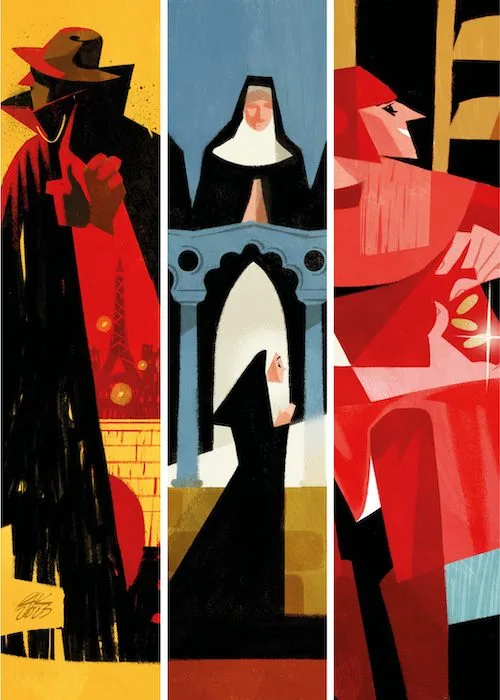
Triptych, first station. Tragedy, and the inferno. There is no hope for a humanity adrift on the barges of the Seine, teeming with desires and regrets. The older Frugola dreams of a little house, a vegetable garden, the cat; Giorgetta thinks back to the suburb where she was born and at twenty-five already has a heart wounded by the death of her little son. She is not just a Madame Bovary between a faded marriage and new passions; the failure of her relationship with Michele also lies in that grief no one will even name. The Seine, like life, flows on inexorable and dark, carrying with it the fates of those who live on its banks. A pessimism more naturalist than verista pervades the first opera of Puccini’s Triptych, and the music takes on a livid colour that brings it close to expressionism. Michele, disillusioned, becomes the murderer of his wife’s lover and completes the catastrophe of a world of the defeated; the tension culminates in the transformation of an old gesture of affection — the embrace wrapped in the cloak — into the discovery of a corpse.
Triptych, second station. Elegy, and purgatory. Time in the cloister is suspended, a placid serenity teeming with symbols, renunciations and expiations. Sister Genovieffa, once a shepherdess, misses the lambs; Sister Angelica keeps in her heart the longing for the son torn from her by her family before she was forced to take her vows. Her relatives could not forgive her a forbidden love, and the Princess, her aunt, visits only to obtain her renunciation of the inheritance. The icy cruelty of the world shatters the artificial peace of waiting: Angelica softens at the thought of her little sister and asks after her son; the aunt thinks only of money and standing, and announces curtly that the child is dead. The unreal, motionless sweetness is broken, and the heroine turns from victim into mistress of her own fate, strong with the knowledge gained in the herbarium. She poisons herself, raves, and finally, dying, sees herself received by the Virgin and by her little boy. And then a bitter ambiguity: miracle, or hallucination?
Triptych, third station. Comedy, and paradise. To tell the truth, «this piece of trickery» will cast its hero into hell, but compared with the sentence pronounced in the Divine Comedy, Puccini’s opera grants cunning Schicchi an excellent mitigating circumstance: Buoso Donati’s relatives are a nest of greedy vipers, and only Rinuccio, with his love for Lauretta, is saved. To humiliate the first in order to secure a prosperous future for the second is a fine deed, even if the fraud of the false will could be punished in Florence with exile and the loss of a hand — and even if human justice is escaped, the justice of the next world is not. The ending of Puccini’s Human Comedy smells of brimstone, then, but it also offers, at last, a hope, with a young and happy couple who stand luminously against the meanness («You are wrong!… Florence is like a tree in blossom») and the severity («O mio babbino caro») of their relatives, and who finally sing, dreaming, «Florence from afar | seemed to us Paradise».
On performance days the monographic exhibition «Retroscena» by Michele Lapini is open: from one hour before the start of each performance, in the foyer of the Comunale Nouveau.
More events
Discover every performanceOpera
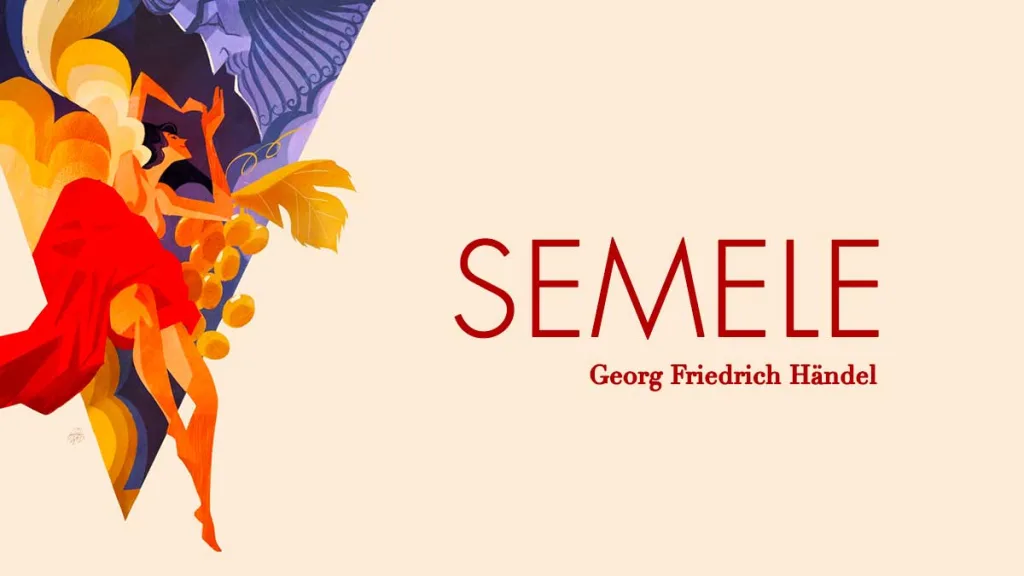
Semele
23, 25 October 2026
Teatro Auditorium Manzoni
- Conductor
- Giulio Prandi
Opera
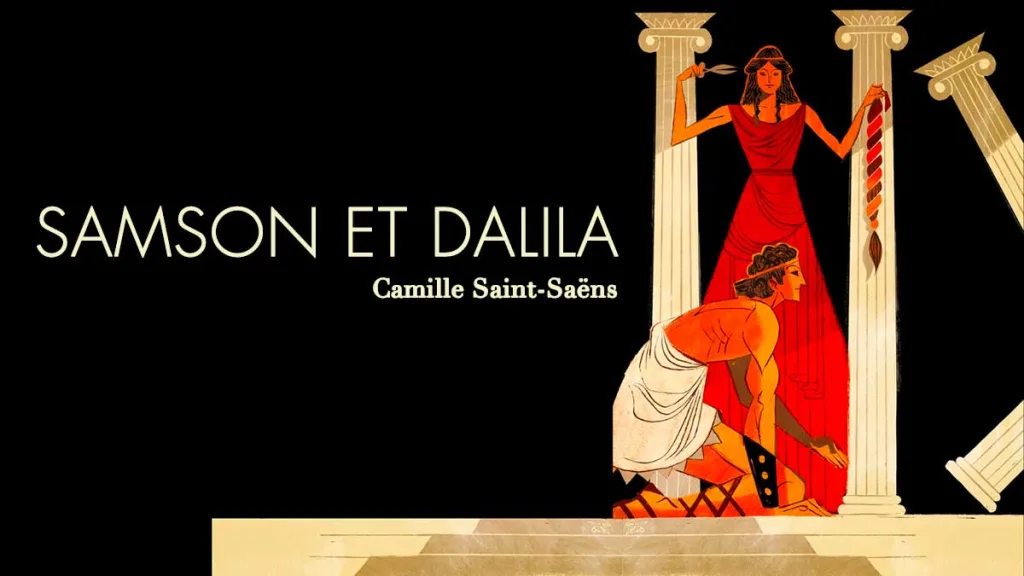
Samson et Dalila
13, 15 November 2026
Teatro Auditorium Manzoni
- Conductor
- Roberto Abbado