
Concerts
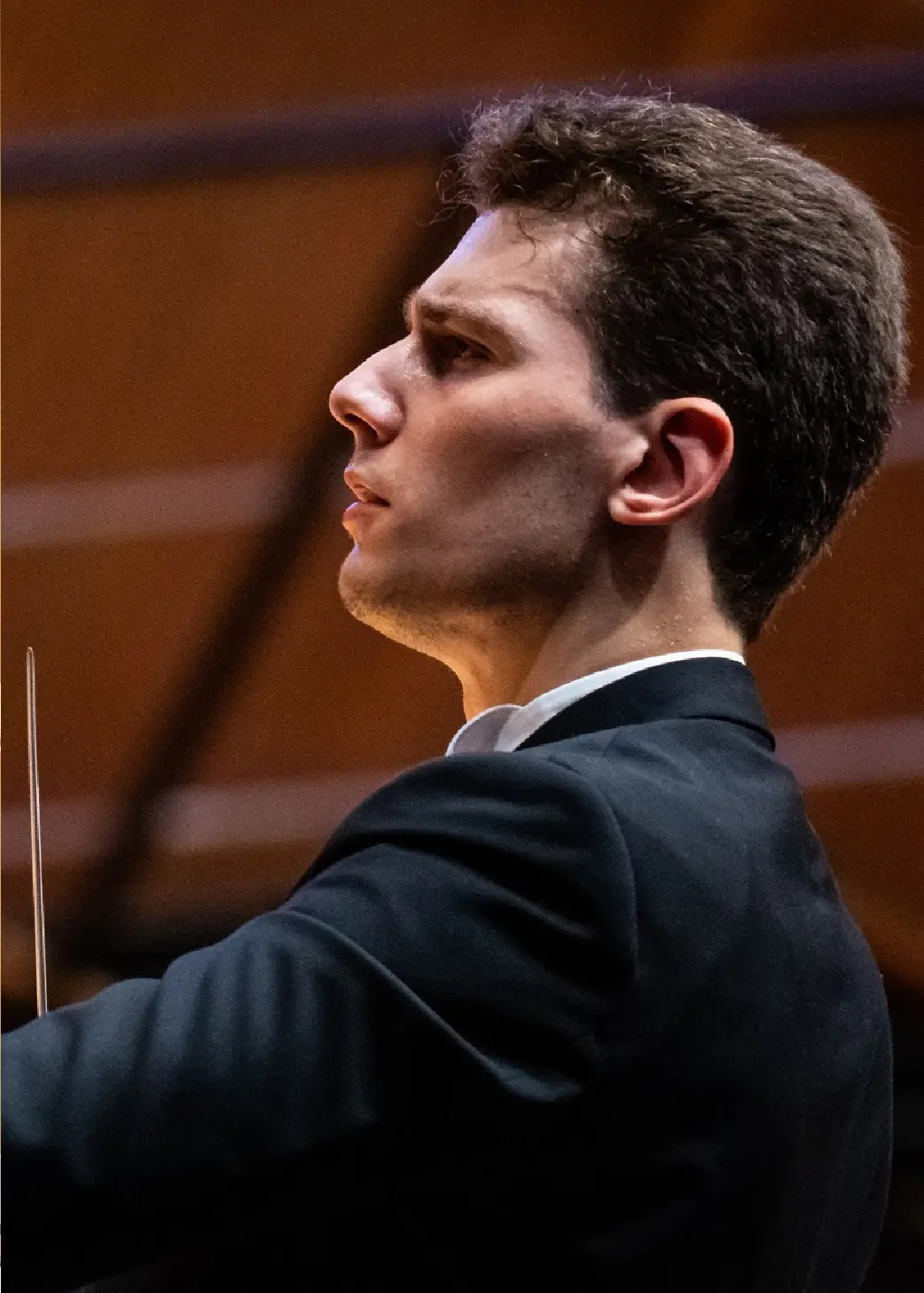
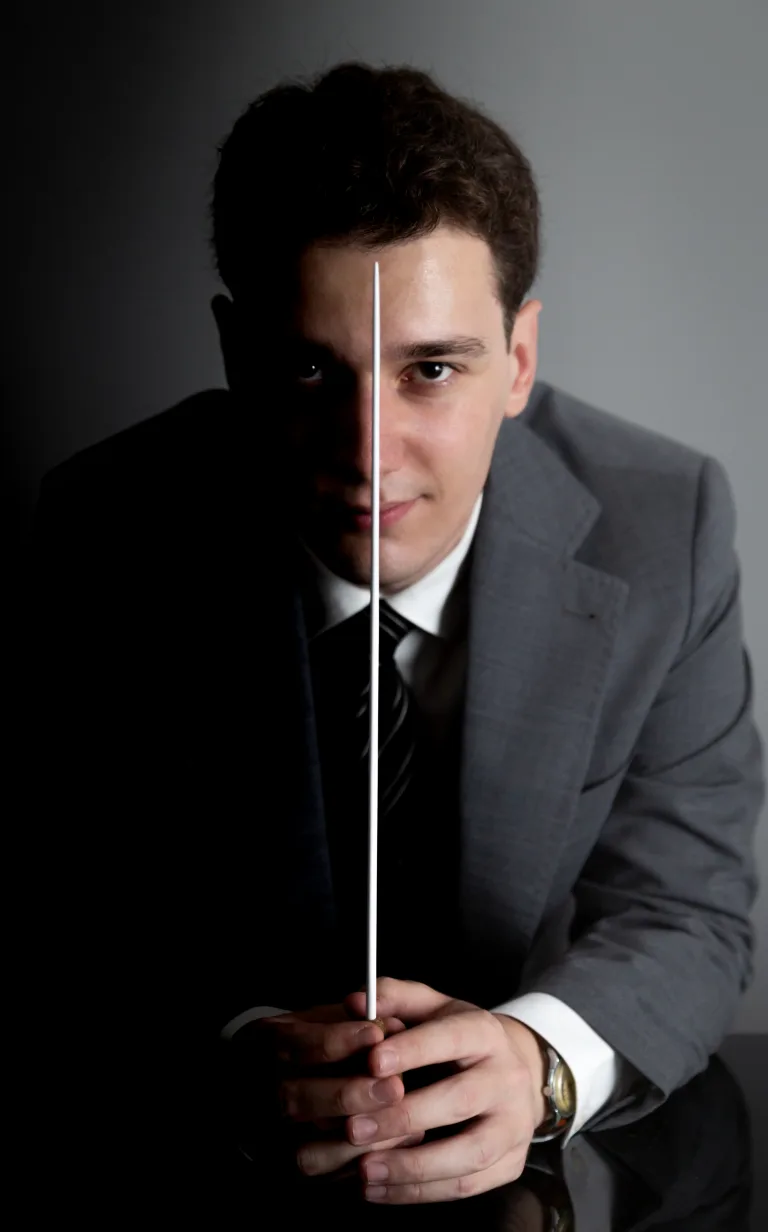
Diego Ceretta
September 2024
The concert
- Music
-
più autori
Conductor
Soloists
-
pianoforte Alessandro Taverna
-
violin Francesca Dego
-
corno Martin Owen
Programme
-
Concerto per violino, corno, pianoforte e orchestra
by Nicola Campogrande
-
Sinfonia n. 1 in re maggiore op. 25, Sinfonia classica
by Sergej Prokof'ev
-
Sinfonia n. 8 in sol maggiore, op. 88, B. 163
by Antonin Dvorak
Dates and tickets
Dates and performances
-
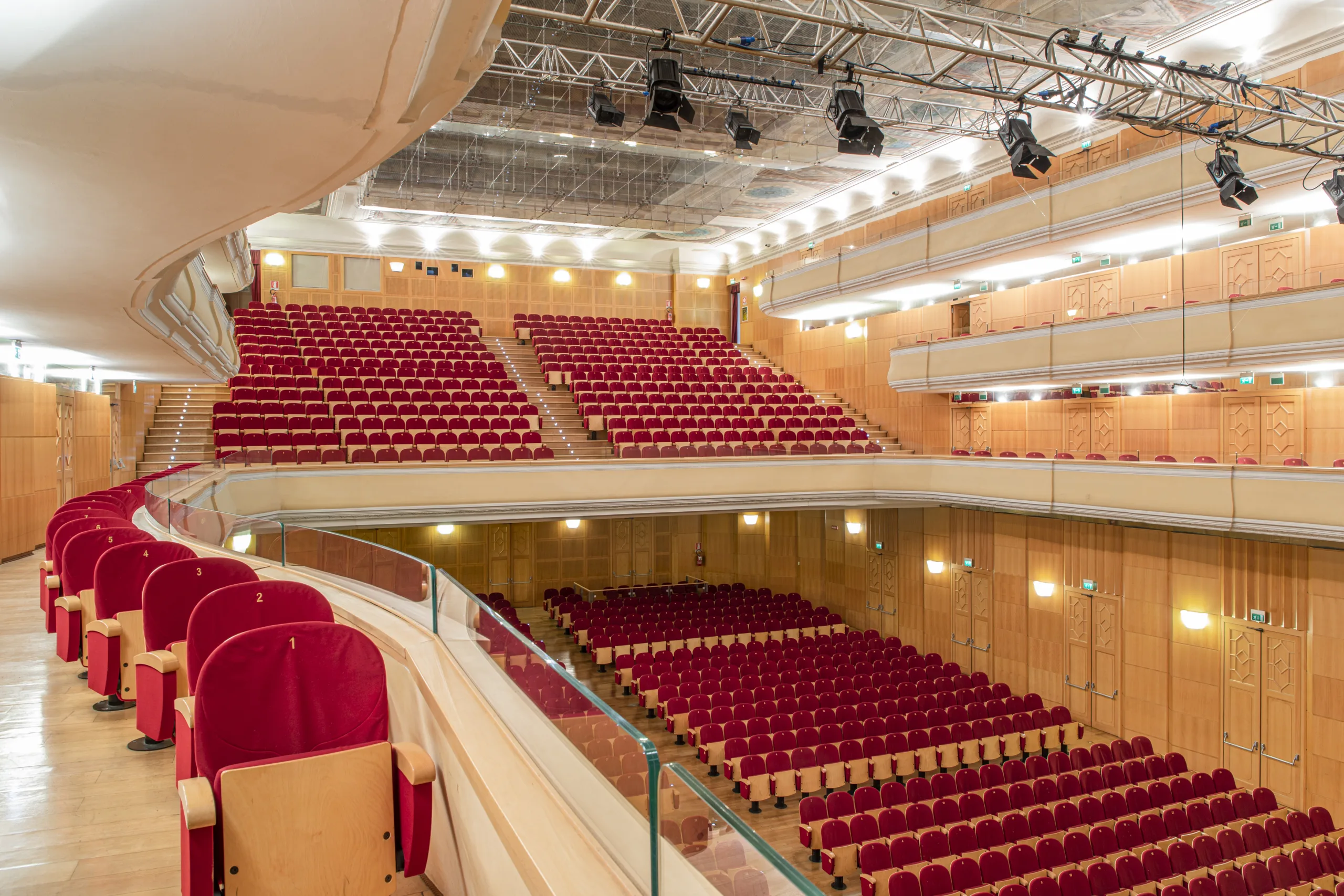
Single performance slotAt 20:30
Details
- Information
-
Violin, horn and piano make a decidedly unusual trio of soloists, almost untraceable in the history of music apart from a very few masterpieces such as Brahms’s Trio op. 40. Nicola Campogrande (1969), composer, writer and well-known Italian radio and television presenter, decided to devote a whole concerto to this combination, taking up Brahms’s attempt to fuse the only apparently irreconcilable sonorities of the three instruments.
Symphony no. 1 in D major op. 25, «Classical»«If Haydn were alive today, he would keep part of his old style while taking on something new at the same time». Sergei Prokofiev’s remark helps us enter the spirit of that small masterpiece, his First Symphony, known as the «Classical»: not an ironic imitation of eighteenth-century style but the brilliant and wholly original creation of a modern musician who «walks along old streets inhabited by new generations». Composed a month before the outbreak of the Russian Revolution, it was first conducted by Prokofiev on 21 April 1918, in the presence of the new regime’s Commissar for Popular Education, from whom he obtained permission to travel abroad. Only in 1936 did Prokofiev return to Russia for good, to a country by then radically changed, where music was regulated by the «Union of Composers», which decided which genres were acceptable.
Symphony no. 8 in G major, op. 88, B. 163In 1890 Antonín Dvořák conducted in Prague his penultimate symphonic work, with which he meant «to write a work different from all other symphonies, with personal ideas worked out in a new way», in an effort to free himself from the German model. The markedly more Slavic tone of this Eighth Symphony is felt at once in the opening in G minor, with an unforgettable phrase for cellos and horns, legendary in tone, a kind of self-portrait of the composer and his memories. But after this preamble, closed by a magnificent solo flute line, the whole orchestra is summoned to a feast of rustic character, typical of the lands Dvořák wants to evoke. «Do not laugh at me. I am not only a musician, I am a poet», the Bohemian composer claimed in 1889, as he sent his Eighth Symphony to press — a work written entirely in images, but with that opening mark that sounds like a long melancholy sigh as the jar of memories is opened.
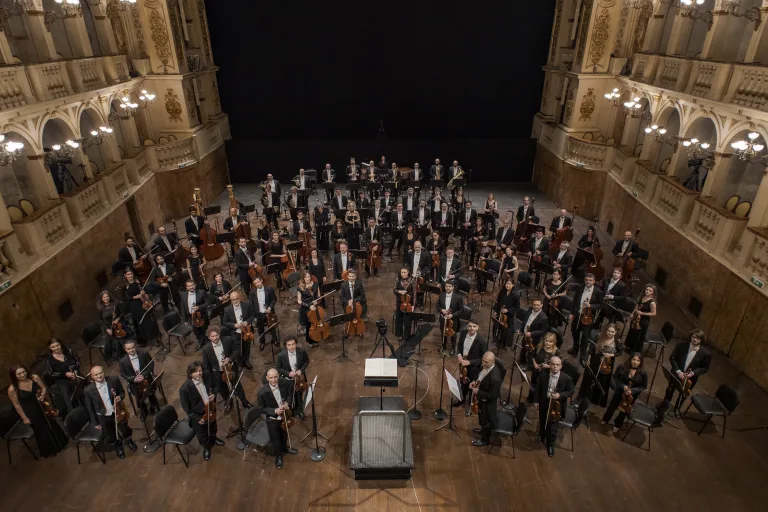
ORCHESTRA OF TEATRO COMUNALE DI BOLOGNA
More events
Discover every performanceConcerts
Symphonic
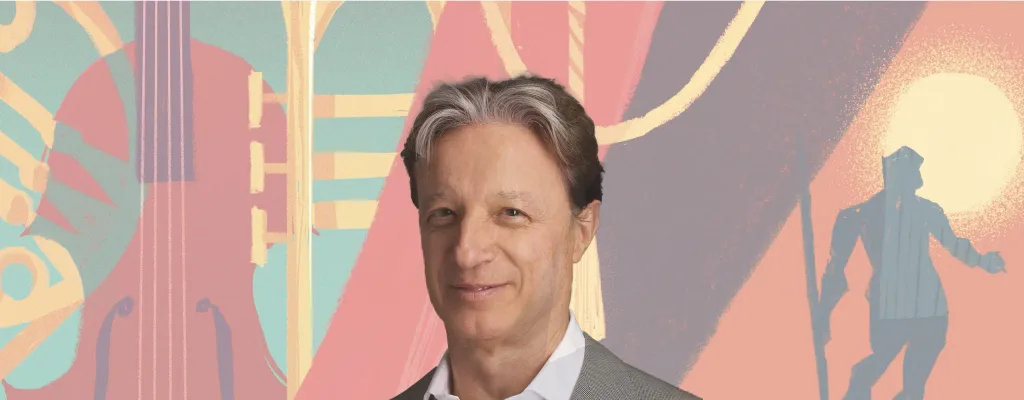
Abbado, Gringolts
26 October 2026
Teatro Auditorium Manzoni
- Music
- Aram Il’ič Chačaturjan, Dmitrij Dmitrievič Šostakovič
- Conductor
- Roberto Abbado
Concerts
Symphonic
Chauhan, Brunello
6 November 2026
Teatro Auditorium Manzoni

- Music
- Mieczysław Weinberg, Anton Bruckner
- Conductor
- Alpesh Chauhan
Concerts
Symphonic
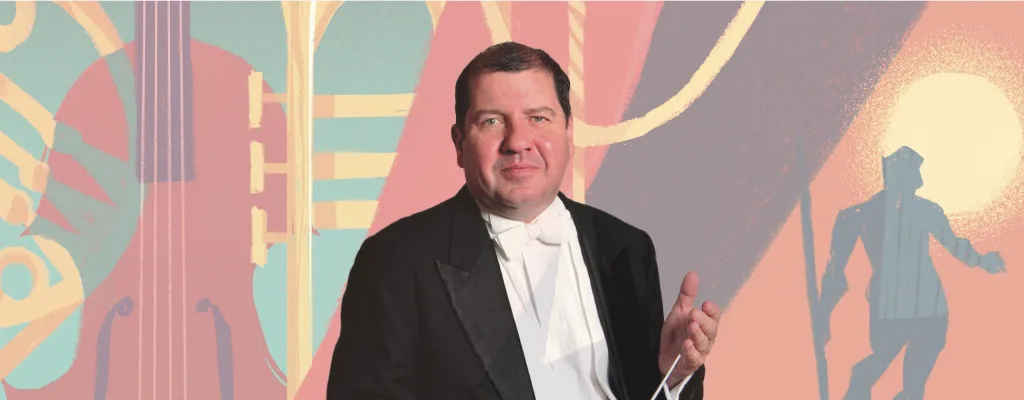
Bolton
20 November 2026
Teatro Auditorium Manzoni
- Music
- Franz Joseph Haydn
- Conductor
- Ivor Bolton