

Concerts
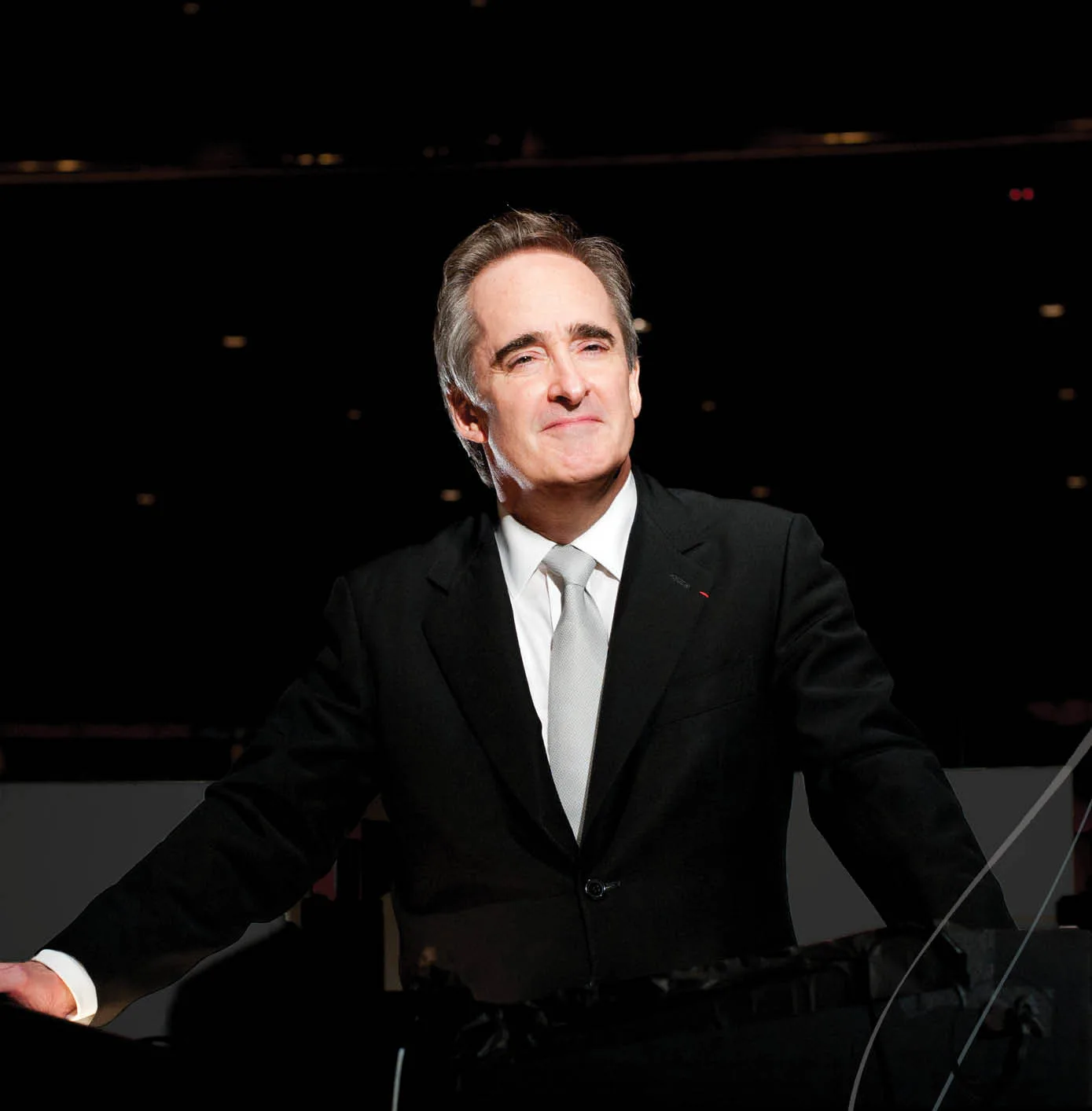
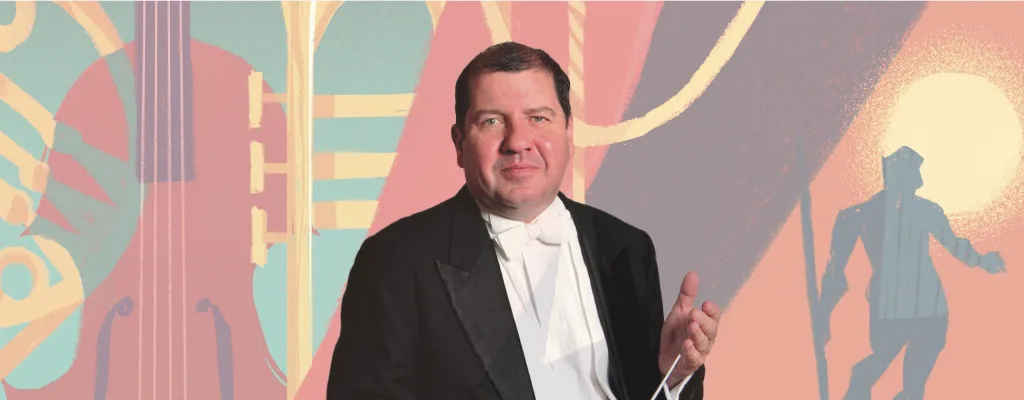
James Conlon
April 2025
Programme
-
Da "Thamos, re d'Egitto", Intermezzi, K. 345
by Wolfgang Amadeus Mozart
-
Da "Lucio Silla", Ouverture, K 135
by Wolfgang Amadeus Mozart
-
Sinfonia n.2 in re maggiore, op. 73
by Johannes Brahms
-
Ouverture, "Le Carnaval Romain"
by Hector Berlioz
-
"Prèlude à l'après-midi d'un faune"
by Claude Debussy
Dates and tickets
Dates and performances
-
Single performance slotAt 20:30
Details
- Information
-
In 1773 the seventeen-year-old Mozart met Emanuel Schikaneder, the future librettist of The Magic Flute, a charismatic actor who persuaded the young composer to write a work on a subject by Tobias Philipp von Gebler, a story of ancient Egypt centred on the goodness of Thamos, son of the usurper Rameses. The score, very rarely performed today, calls for five instrumental pieces as well as three choruses, and already shows an extraordinary modernity that foreshadows the achievements of Idomeneo.
The sixteen-year-old Mozart had left Bologna a couple of years earlier when, on 26 December 1772, he presented at the Teatro Regio Ducale in Milan the drama Lucio Silla, on the story of the Roman dictator and soldier who lived a century before Christ. With this third and most ambitious opera — following Ascanio in Alba and Mitridate, re di Ponto — Mozart brought his work on Italian stages to a successful close, proving himself by now a genius of music theatre as well. Lucio Silla stayed in the repertoire for twenty-five performances.
To write and release his first symphony Brahms had waited until he was 43. Far shorter and more spontaneous was the genesis of his Second Symphony, written almost at a stroke in the summer of 1877, during the always fruitful holidays he spent in Carinthia, «virgin ground, where so many melodies float about that one must take care not to tread on any», as the Hamburg composer described it. If the First had been pointed to by critics as Beethoven’s «Tenth», in the sign of continuity with the great master of the genre, the Second was nicknamed «Schubert’s last symphony», for its markedly melodic, songful spirit. Labels aside, the Wörthersee in Carinthia served Brahms well: the following year, against the same Austrian landscape, he composed his legendary Violin Concerto.
More events
Discover every performanceConcerts
Symphonic
Abbado, Gringolts
26 October 2026
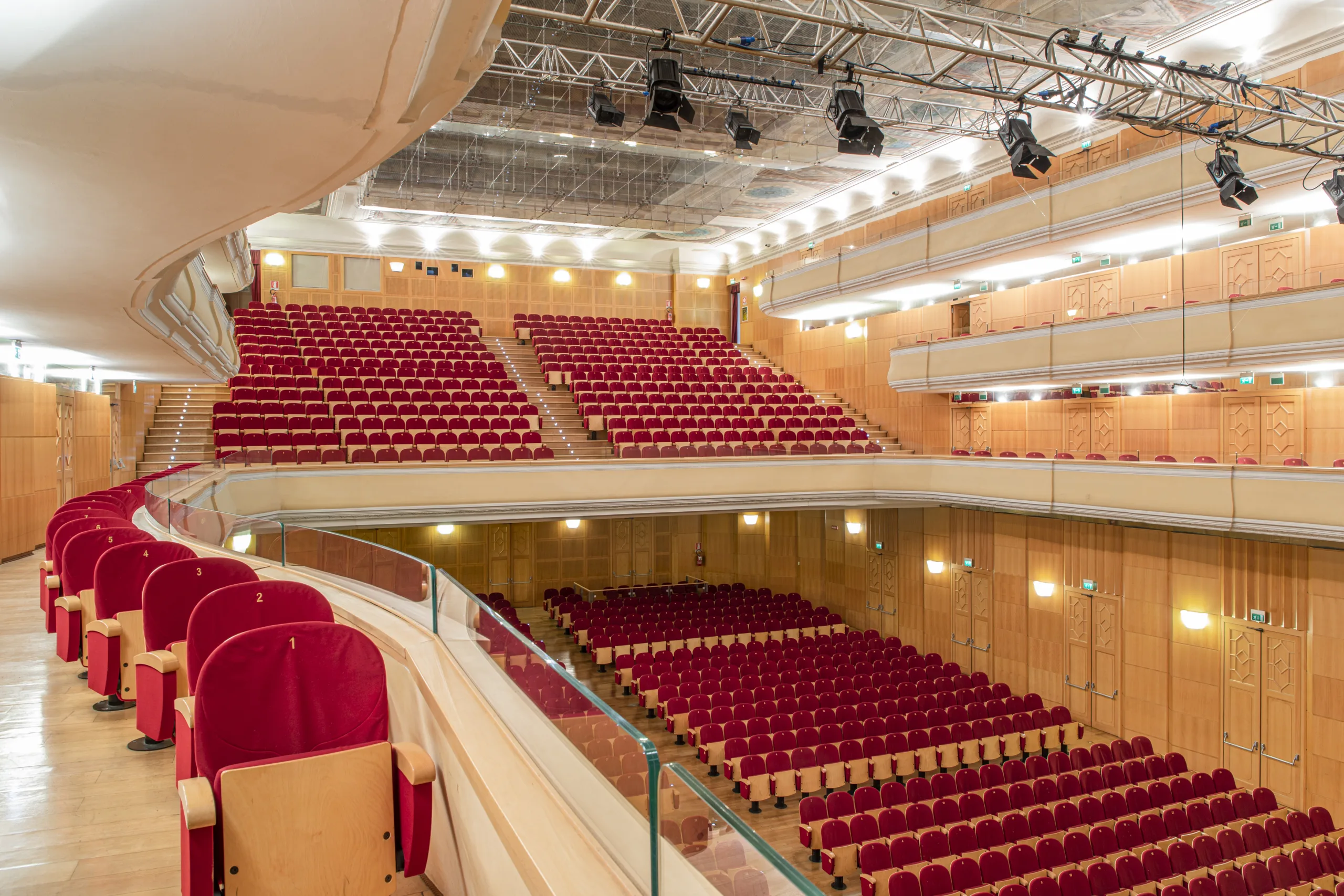
Teatro Auditorium Manzoni
- Music
- Aram Il’ič Chačaturjan, Dmitrij Dmitrievič Šostakovič
- Conductor
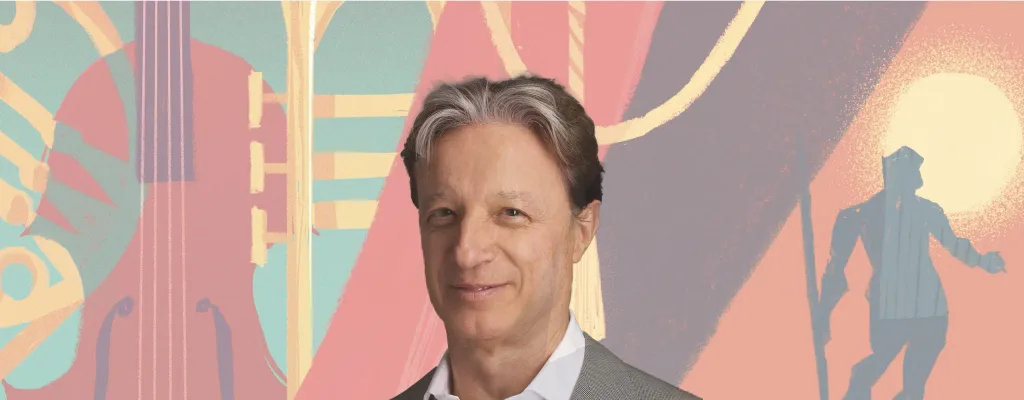
- Roberto Abbado
Concerts
Symphonic
Chauhan, Brunello
6 November 2026
Teatro Auditorium Manzoni

- Music
- Mieczysław Weinberg, Anton Bruckner
- Conductor
- Alpesh Chauhan
Concerts
Symphonic
Bolton
20 November 2026
Teatro Auditorium Manzoni
- Music
- Franz Joseph Haydn
- Conductor
- Ivor Bolton