
News
The theatre has a brand new website!
The theatre has a brand new website!
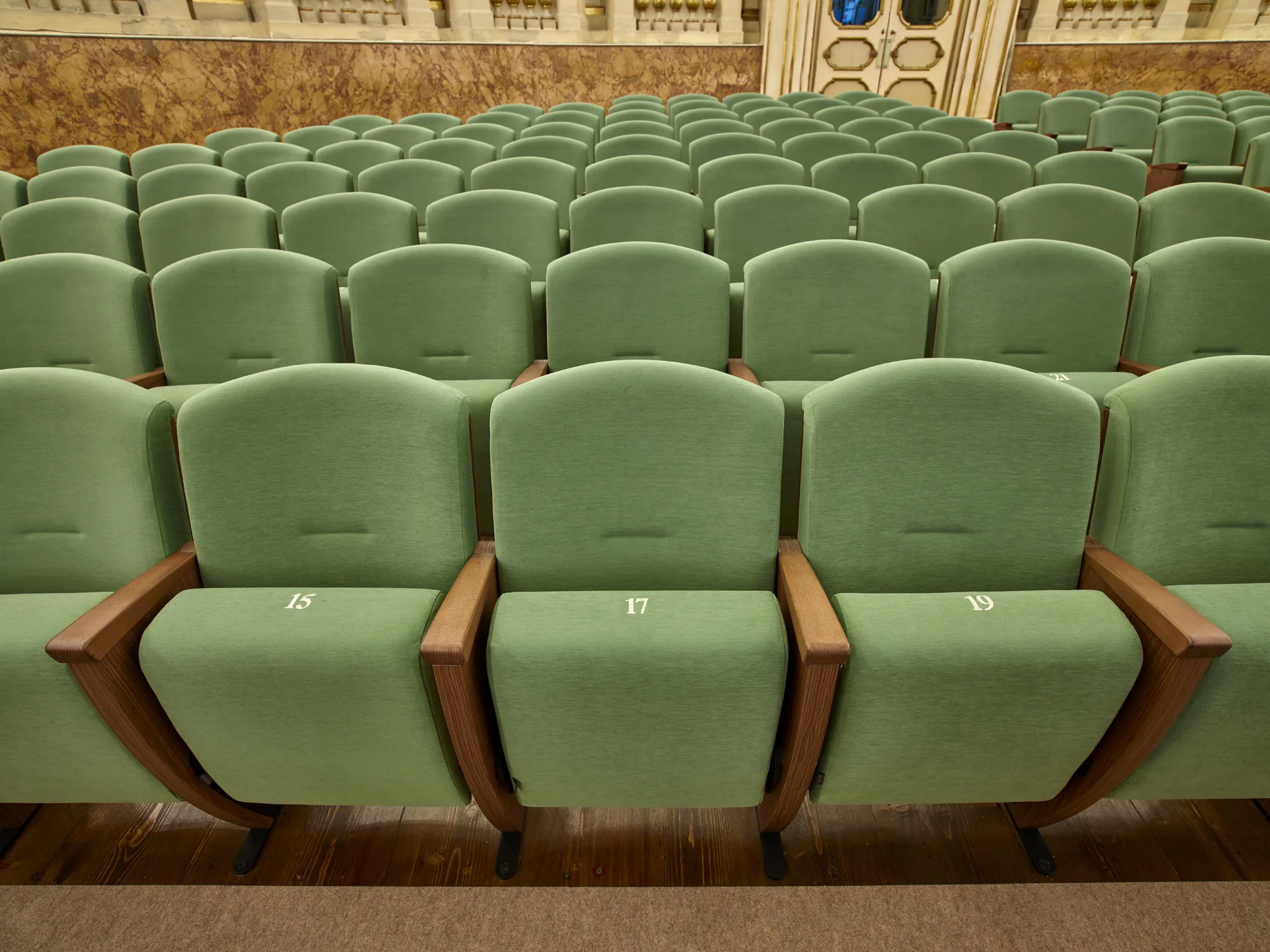
Teatro Comunale di Bologna has a new website. It is not just a different look: it is a different way of holding together what the Theatre does — the performances, the people who sign them, the halls that host them — and of making it all reachable in a few steps, from any screen.
The first thing you see is the design, renewed from the ground up: clearer, cleaner, with the right air around the text and a hierarchy you can read at a glance. Typefaces, colours and images follow a single rule across the whole site, so no page looks as though it came from somewhere else.
Underneath, the structure has been rethought: the sections are the ones people actually arrive looking for — someone after a particular performance, someone who has to book, someone coming for the first time and someone who has been coming for years, schools, anyone who needs to know in advance how to get in. And every page is a few steps from the home page. The information is laid out to a pattern too: dates, places, running times, prices and contacts are always in the same place and in the same order, so that on a second visit you already know where to look.
At the centre is the programme. You can read it as a list, one evening after another, or as a calendar, to see at a glance what is on in a month and which days are free. The filters work on the questions people really ask: what kind of performance, which series, in which month, in which hall. What you choose stays written in the page address, so a filtered programme can be saved or sent to someone and opened again exactly as it was.
Every performance has a page of its own. There are the dates and the performance slots, with the cast evening by evening where the singers alternate, the musical programme piece by piece, the conductor, the director and the creative team, the photographs. And there is the practical information you need before leaving the house: how long it lasts, which entrance to use, how to get hold of a ticket.
Beside today’s programme there is the archive. The 2024, 2025 and 2026 seasons are all there (opera, dance and concerts) with the same casts and the same programmes as then. A theatre is not only what is on stage tonight: it is also everything it has staged, and now that can be looked up instead of remembered.
From every poster you can reach the people. Artists and conductors have a page with their biography, photographs and the performances where you can hear them, this season and in past ones. The halls have a page in the same way: the Sala Bibiena, the Respighi and Rossini foyers, the Terrace, the Auditorium Manzoni. While the historic hall is being restored, the programme lives between the Comunale Nouveau and the Auditorium Manzoni, and the site says each time where to go.
Then there is everything the Theatre does when the curtain is down. Open rehearsals for schools are booked from the site, by filling in the form for the chosen performance. The guided tours tell the Theatre from the inside: Bibiena’s rose window, the boxes, the corridors and staircases that reach them. And a dedicated page explains how the Theatre makes itself accessible, because going to the theatre should be possible for everyone, not merely provided for.
More news
All news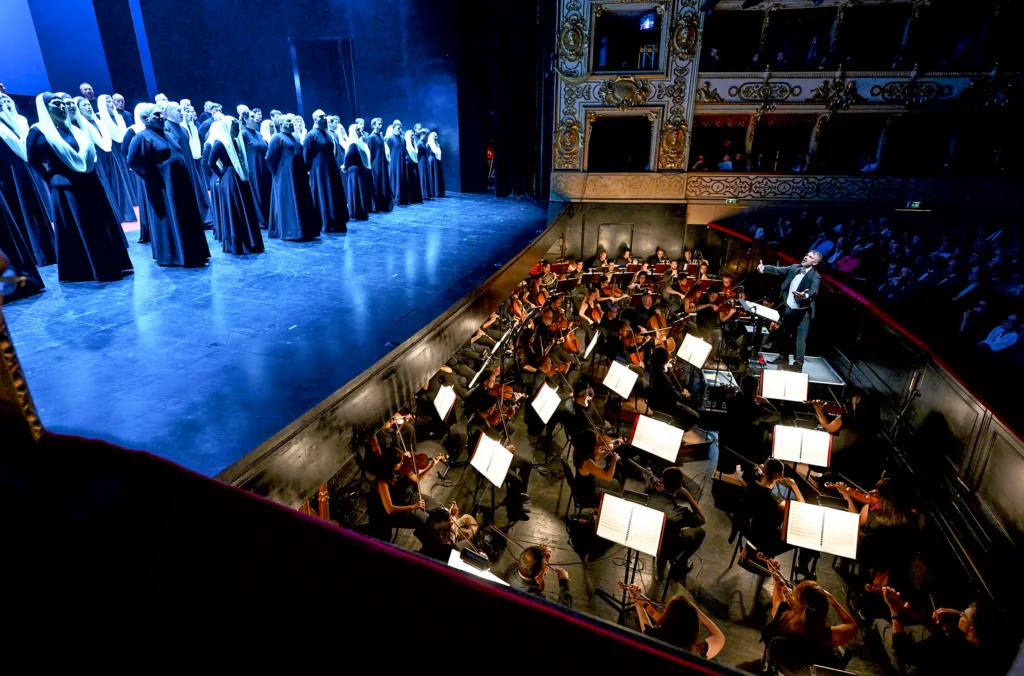
The Orchestra of Teatro Comunale di Bologna at Festival Verdi with Nabucodonosor
From 3 to 24 October the Orchestra of Teatro Comunale di Bologna took centre stage at Teatro Regio in Parma with Nabucodonosor, the third opera of the 26th Festival Verdi. The new production, directed and designed by Pier Luigi Pizzi, was staged by Teatro Regio di Parma and co-produced with Teatro Comunale di Bologna and Teatro Carlo Felice in Genoa.
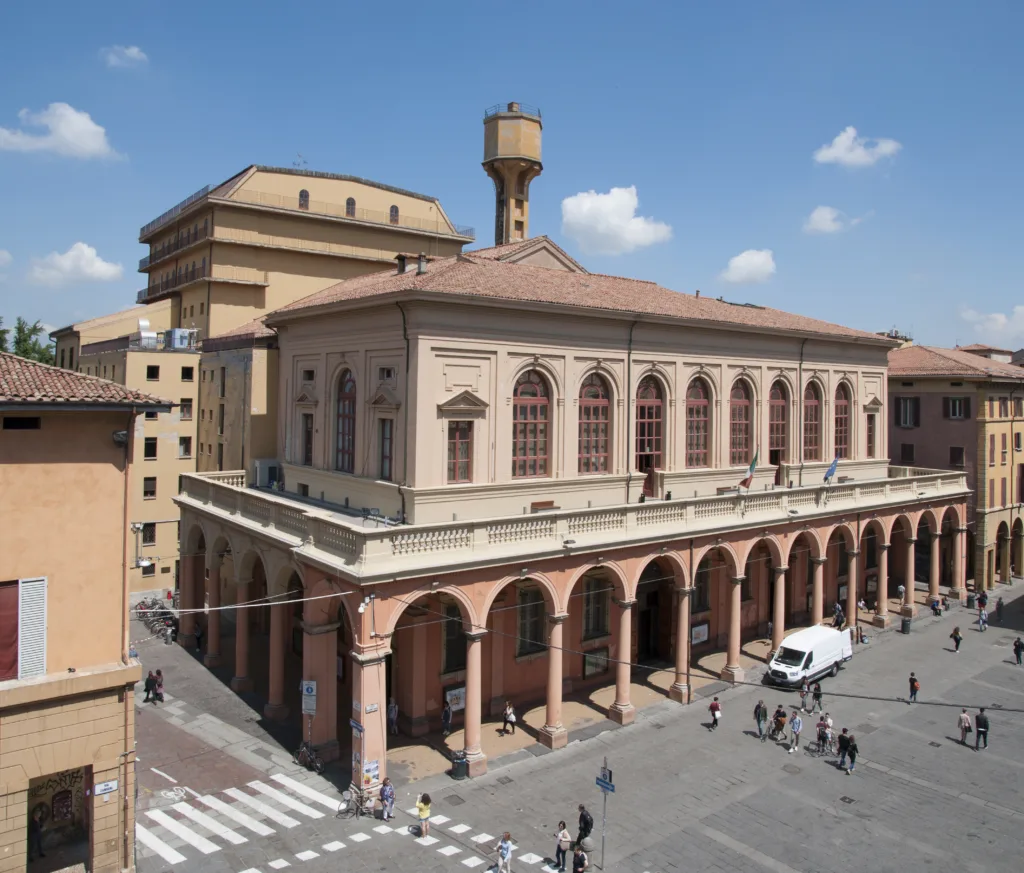
Teatro Comunale reopens: on 14 February 2027 the Sala Bibiena welcomes audiences back
After the restoration works, a day of celebration with Daniele Gatti on the podium and a month of events across the city. On 2 March the Opera Season opens with Il ritorno di Ulisse in patria
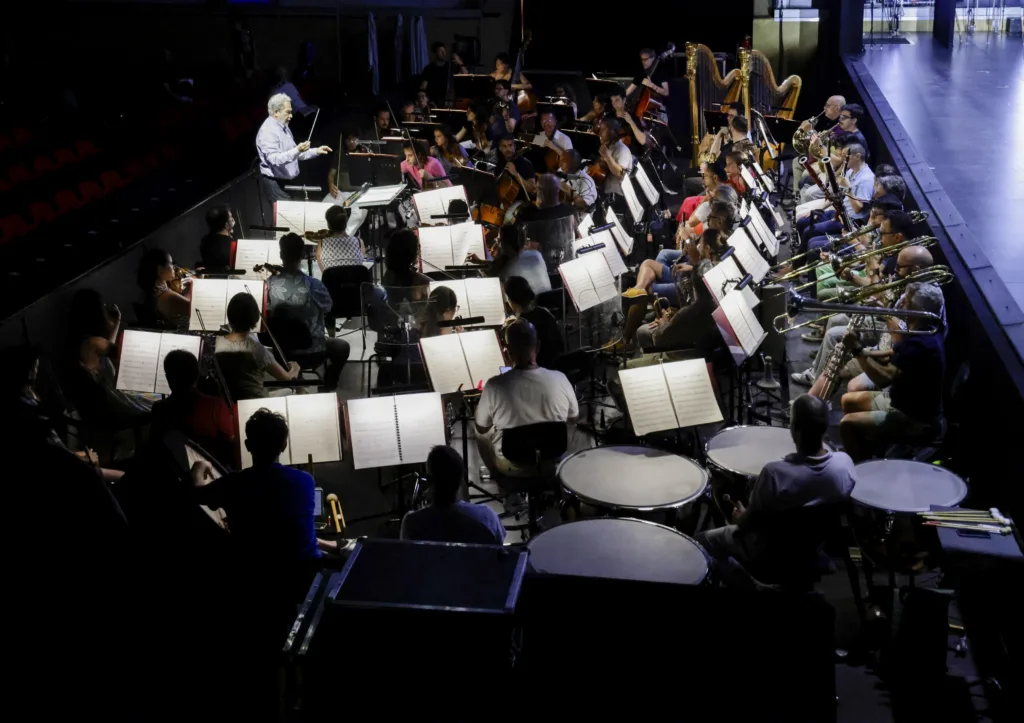
The Comunale’s Orchestra opens and closes the Rossini Opera Festival
Four dates in Pesaro, from Le siège de Corinthe with Carlo Rizzi and Davide Livermore to the Stabat Mater conducted by Ramón Tebar