
Concerts
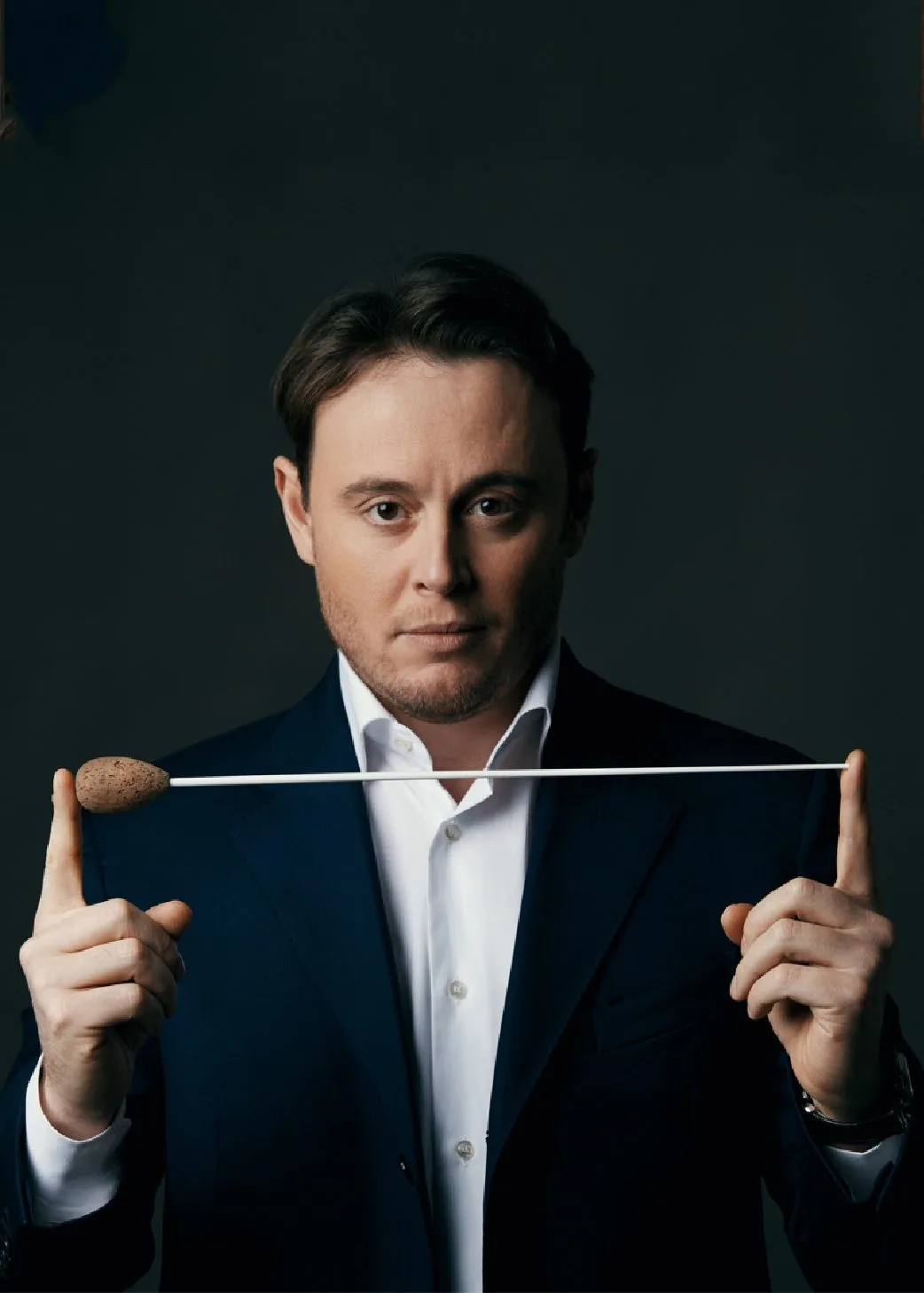
Mariotti
June 2024
The concert
- Music
-
più autori
Conductor
-
Conductor Michele Mariotti
Soloists
-
pianoforte Eva Gevorgyan
Programme
-
"Valse triste" , op. 44 n. 1
by Sibelius
-
Concerto n.2 in fa maggiore per pianoforte e orchestra, op. 102
by Šostakovič
-
Sinfonia n. 9 in do maggiore D 944, La grande
by Schubert
Orchestra
-
Orchestra Orchestra Filarmonica del Teatro Comunale di Bologna
Dates and tickets
Dates and performances
-
Single performance slotAt 20:30
Details
- Information
-
Like Ravel with the Boléro, Sibelius too has been «condemned» to be famous above all for one piece, the Valse triste op. 44, despite an output of enormous importance for the history of instrumental music — which, in Italy, was first heard thanks to a symphonic season of Teatro Comunale. The piece was originally part of the incidental music written for Kuolema (Death), a play by Sibelius’s brother-in-law Arvid Järnefelt, but after the first performance in 1904 as an independent piece the waltz took on a life of its own, becoming one of the Finnish composer’s emblematic works.
Concerto no. 2 in F major for piano and orchestra, op. 102Four years after Stalin’s death, in 1957, Dmitri Shostakovich produced one of the freshest and most dazzling pieces of his output. After years of terror, to which the composer had responded with titanic, dramatic, lacerating pages — marked too by irony and a taste for the sharp quip — comes this sudden and momentary thaw, a birthday present for his son Maxim, a pianist, from which springs an irrepressible energy as well as a lyrical, affectionate tone. The irresistible sense of cheerfulness of the first and third movements even led Disney to choose extracts for the tin soldier sequence in Fantasia 2000.
Symphony no. 9 in C major D 944, «The Great»Long and troubled is the genesis of Franz Schubert’s Ninth Symphony, «The Great». Rejected in 1826 and again in 1828 by the orchestra of the Gesellschaft der Musikfreunde in Vienna as too long and too difficult, the symphony ended up in a drawer and was rediscovered by Robert Schumann only in 1839, eleven years after the composer’s death, during a visit to Franz’s brother Ferdinand Schubert. It is thanks to Schumann, then, that the symphony received the blessing of a first public performance, in Leipzig on 21 March 1839, under Felix Mendelssohn. Decisive, in this last Schubertian symphonic masterpiece, is the relationship at a distance with Beethoven’s own Ninth, written in 1824, from which Schubert took the impulse for a work of grand optimism, almost utopian in its breadth. Witness the finale, where an explicit quotation of Beethoven’s Ode to Joy appears.
PHILHARMONIC ORCHESTRA OF TEATRO COMUNALE DI BOLOGNA
More events
Discover every performanceConcerts
Symphonic
Abbado, Gringolts
26 October 2026
Teatro Auditorium Manzoni
- Music
- Aram Il’ič Chačaturjan, Dmitrij Dmitrievič Šostakovič
- Conductor
- Roberto Abbado
Concerts
Symphonic
Chauhan, Brunello
6 November 2026
Teatro Auditorium Manzoni
- Music
- Mieczysław Weinberg, Anton Bruckner
- Conductor
- Alpesh Chauhan
Concerts
Symphonic
Bolton
20 November 2026
Teatro Auditorium Manzoni
- Music
- Franz Joseph Haydn
- Conductor
- Ivor Bolton