

Concerts
Renzetti
May 2024
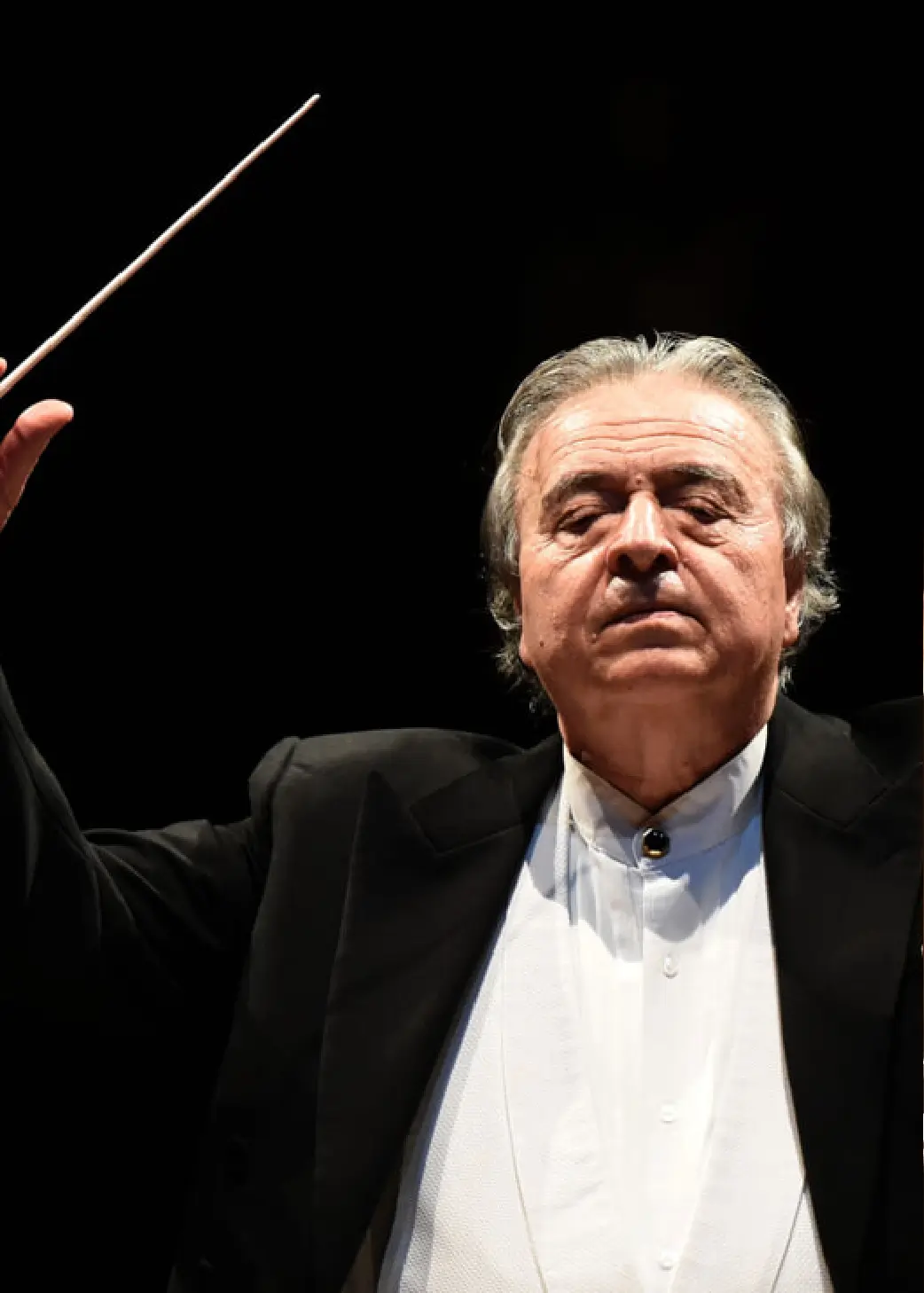
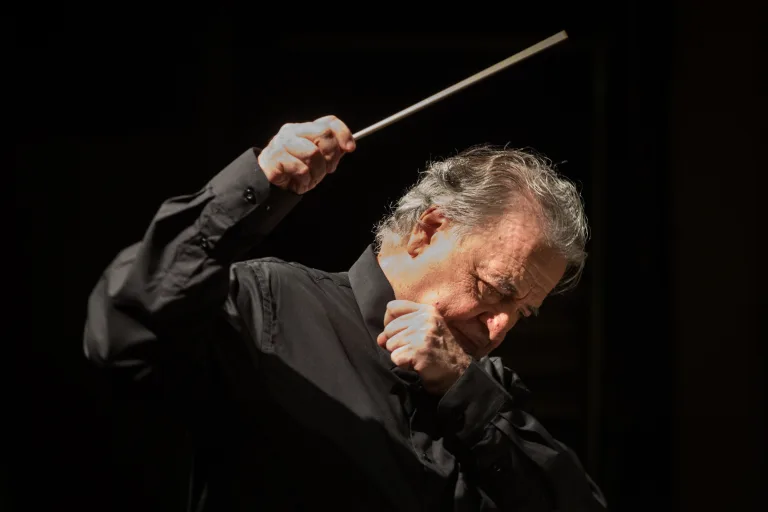
Programme
-
Ouverture in sol minore WAB 98
by Anton Bruckner
-
"Te deum" per soli, coro e orchestra, WAB 45
by Anton Bruckner
-
"Ouverture tragica" , op. 81
by Johannes Brahms
-
Poema sinfonico n. 3, "Les préludes" S.97
by Franz Liszt
Orchestra and chorus
-
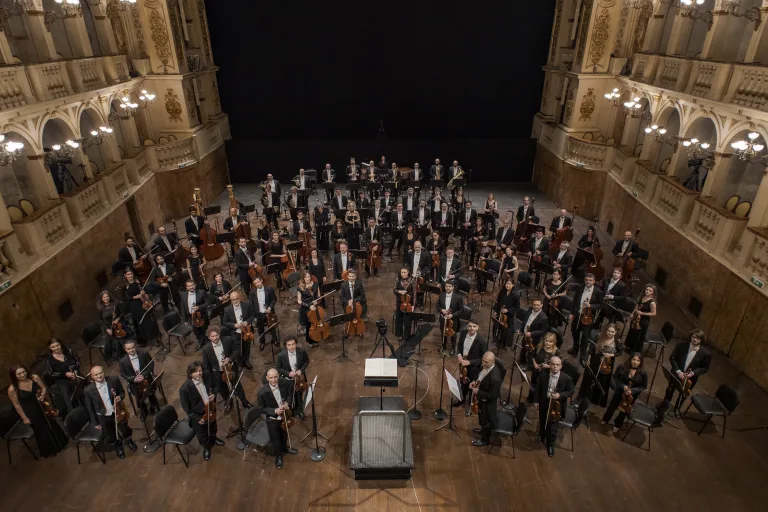 Orchestra
 del Teatro Comunale di Bologna
-
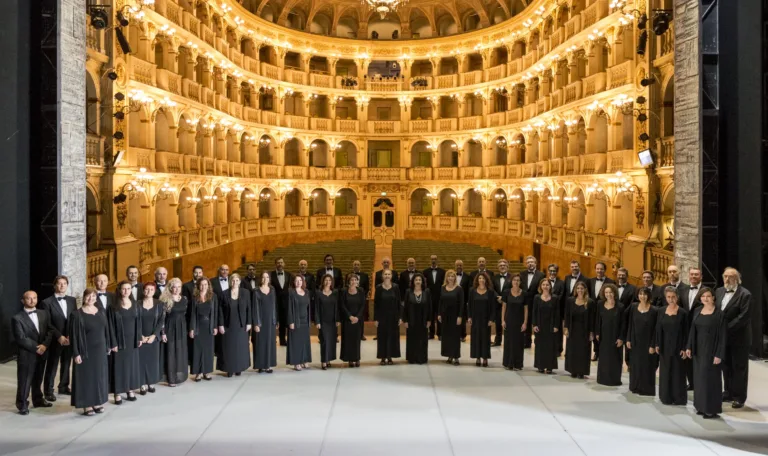 Chorus
Coro del Teatro Comunale di Bologna
-
Chorus master Gea Garatti Ansini
Dates and tickets
Dates and performances
-
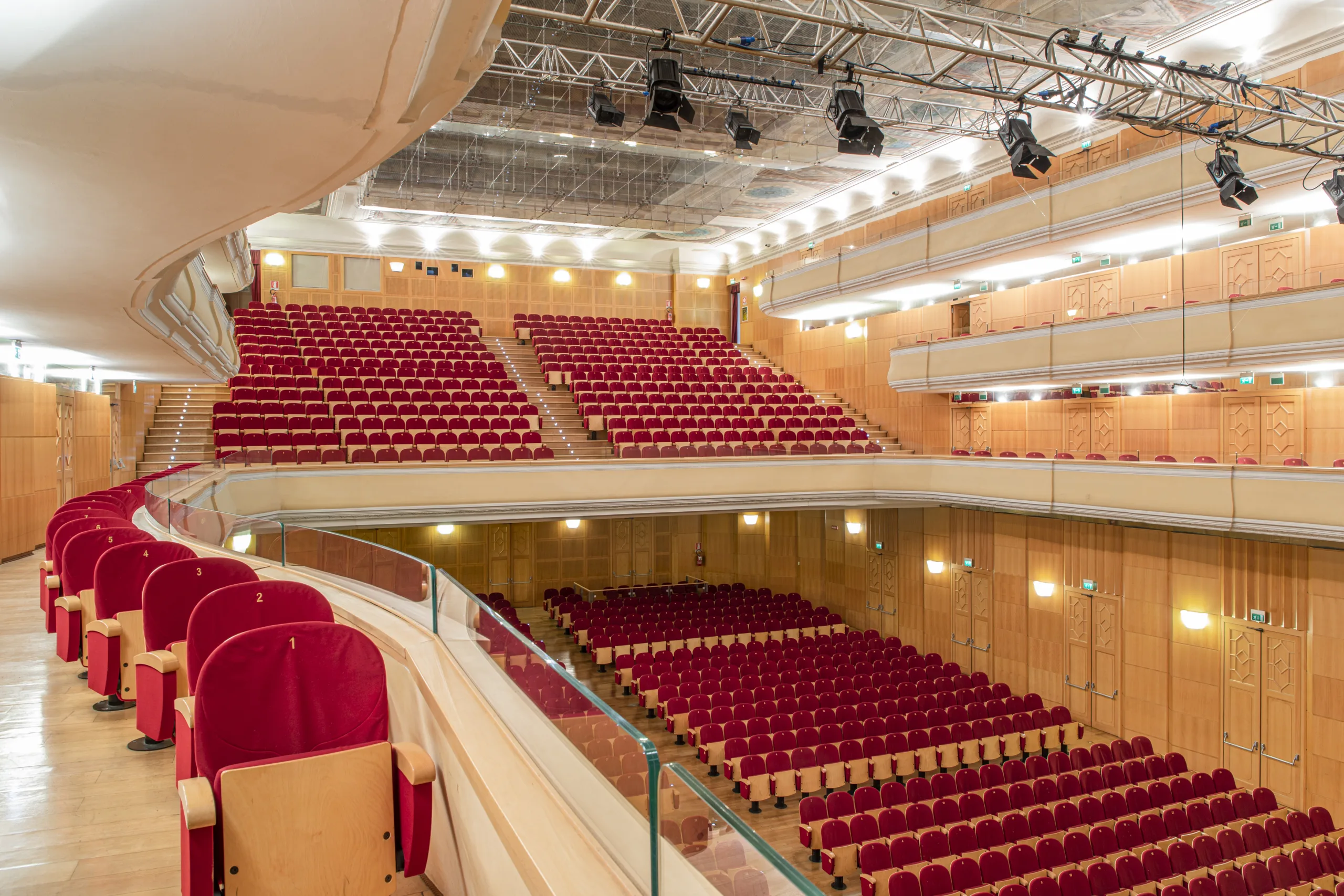
Single performance slotAt 17:30
Details
- Information
-
The two hundredth anniversary of Anton Bruckner’s birth is an opportunity to rediscover some early works of absolute rarity, such as the Overture in G minor. «Early», in truth, is a relative term, because in Bruckner’s case the career of a symphonist began relatively late, around the age of forty. This work dates from 1863 and is indebted to the sacred triad of Mozart, Haydn and Beethoven. The thunderbolt of Tristan und Isolde, in 1865, would turn Bruckner’s work towards its Wagnerian landfall. The Overture was long forgotten, until its first performance in 1921.
«Te Deum» for soloists, chorus and orchestra, WAB 45Between the composition of the Sixth and the whole gestation of the Seventh Symphony, Bruckner conceived the Te Deum, one of the highest symphonic and choral pages ever composed, marked by a monumental passion and driven by an overwhelming spirituality that anticipates Mahler’s great creative conceptions. It is no accident that Bruckner’s Te Deum was among Mahler’s favourite pieces. On the title page of his own copy of the score, the Bohemian composer crossed out Bruckner’s indication «for chorus, soloists and orchestra, organ ad libitum» and replaced it with «for the tongues of angels, of the blessed, of the pure in heart and for souls purified in fire». Bruckner himself, usually reserved and sparing in self-praise, said that the Te Deum was «the pride of his life».
«Tragic Overture», op. 81Active in the same years as Bruckner but nine years younger, Johannes Brahms composed symphonies in the furrow of the Beethovenian tradition, following a model opposed to that of the current led by Liszt and Wagner. His only two orchestral overtures seem born as a pair: «This one weeps, the other laughs», the composer himself said, referring to the Academic Festival Overture and the Tragic Overture, which rests on no literary reference beyond its own poetic proposal. And that proposal is concise and intense, drawing the profile of one of the most concentrated and passionate of Brahms’s symphonic constructions.
Symphonic poem no. 3, «Les préludes» S.97When Franz Liszt composed the symphonic poem Les préludes in Weimar in 1848 he was already considered «the eighth wonder of the world», a fame won through exhausting tours across Europe — ten years earlier he had passed through Bologna too, in the company of Marie d’Agoult, mother of his three children. The twelve symphonic poems, written between 1848 and 1858, were dedicated to Princess Sayn-Wittgenstein, who encouraged Liszt to continue along the path of orchestral music. The full title of this piece is «Les préludes (d’après Lamartine)» and refers to the ode in Nouvelles méditations poétiques. Liszt, though, wanted to provide a programme note of his own alongside the music: «Is not our life a series of Preludes to that unknown song whose first solemn note is intoned by death?… but where is the life whose delights of joy are not interrupted by some storm whose deadly breath disperses its fair illusions?… and yet man does not long resign himself to enjoying the kindly warmth that first charmed him in the bosom of nature, and when ‘the trumpet has sounded the alarm’ he runs to the dangerous post, whatever the war that calls him, to find again in the struggle the full consciousness of himself and the complete possession of his powers».
ORCHESTRA AND CHORUS OF TEATRO COMUNALE DI BOLOGNA
More events
Discover every performanceConcerts
Symphonic
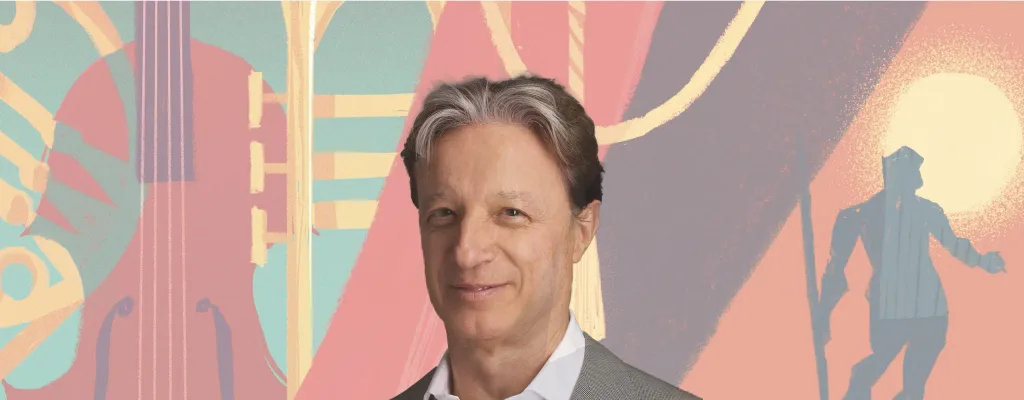
Abbado, Gringolts
26 October 2026
Teatro Auditorium Manzoni
- Music
- Aram Il’ič Chačaturjan, Dmitrij Dmitrievič Šostakovič
- Conductor
- Roberto Abbado
Concerts
Symphonic
Chauhan, Brunello
6 November 2026
Teatro Auditorium Manzoni

- Music
- Mieczysław Weinberg, Anton Bruckner
- Conductor
- Alpesh Chauhan
Concerts
Symphonic
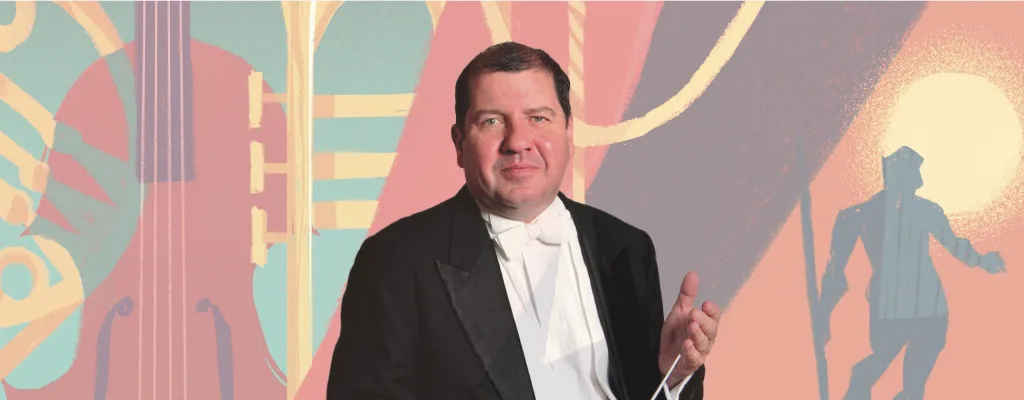
Bolton
20 November 2026
Teatro Auditorium Manzoni
- Music
- Franz Joseph Haydn
- Conductor
- Ivor Bolton