
Concerts
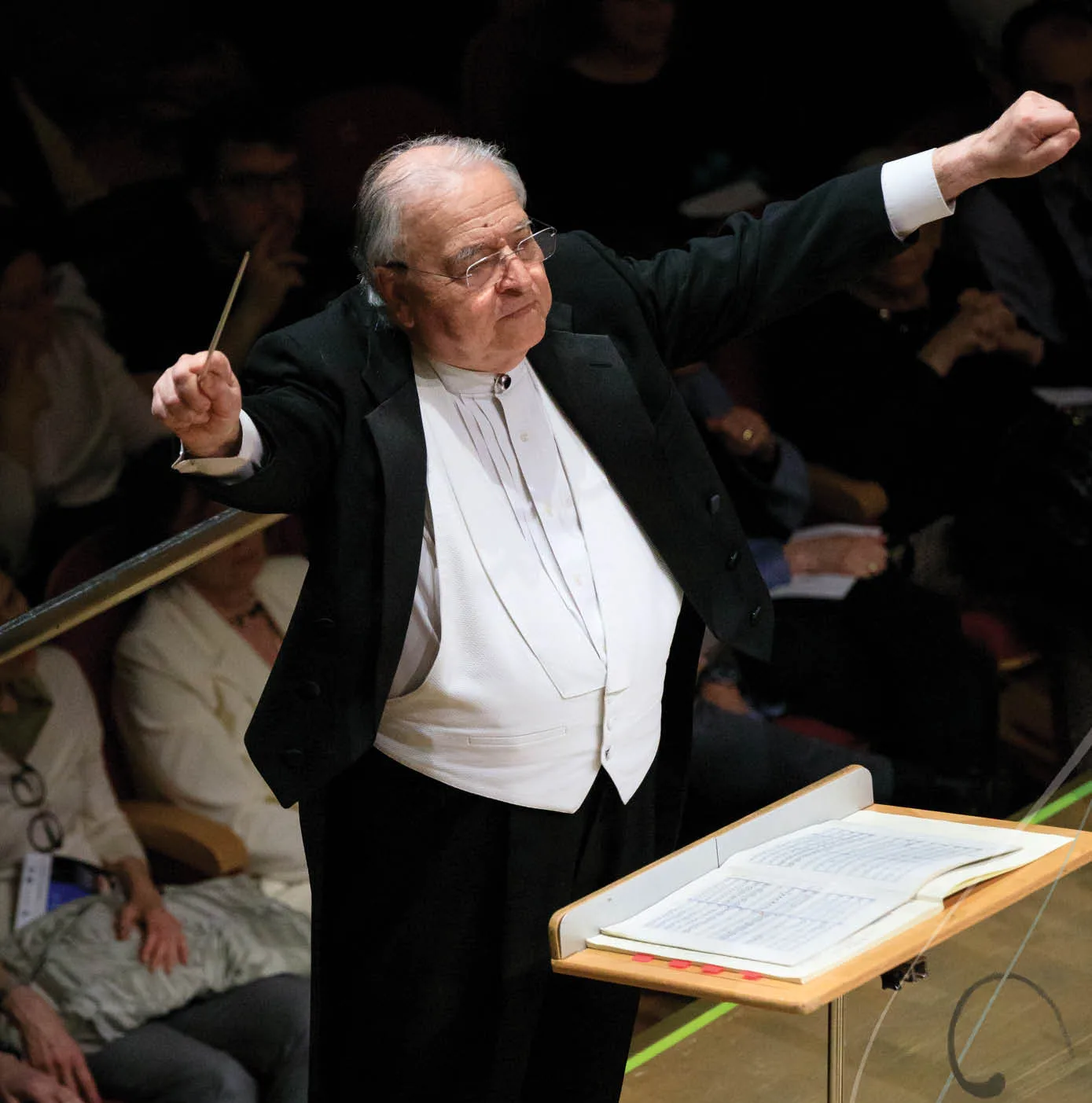
Donato Renzetti
March 2025
Programme
-
Sinfonia n. 4 in la maggiore, op. 90 “Italiana”
by Mendelssohn Bartholdy
-
Pavane pour une infante défunte
by Maurice Ravel
-
Le tombeau de Couperin
by Maurice Ravel
-
Ma Mère l’Oye
by Maurice Ravel
-
Ouverture, "Le Carnaval Romain"
by Hector Berlioz
-
Prèlude à l'après-midi d'un faune
by Claude Debussy
Dates and tickets
Dates and performances
-
Single performance slotAt 20:30
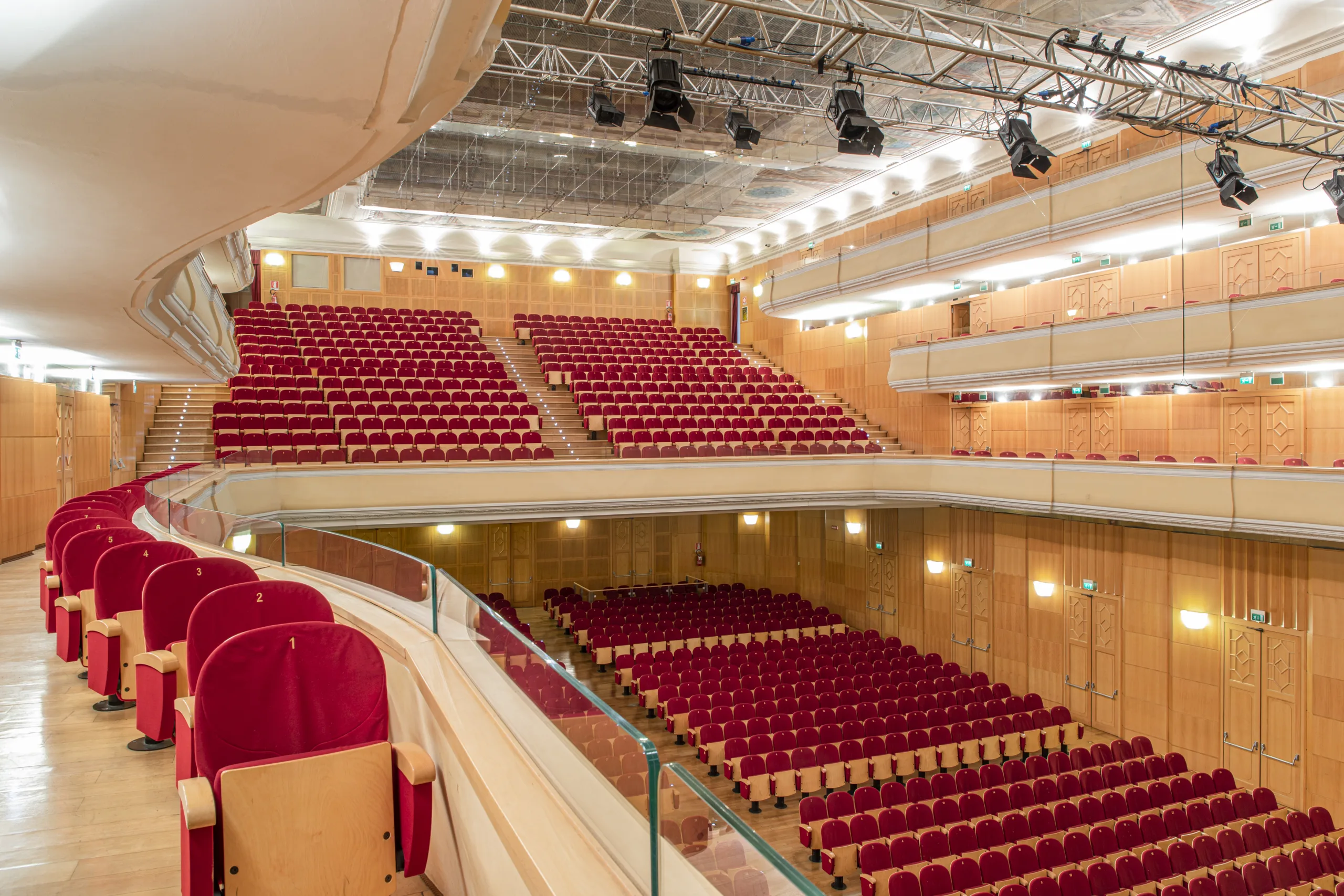
Details
- Information
-
Felix Mendelssohn arrived in Italy in October 1830, following the routes of the Grand Tour that every German of good standing had to make at least once in a lifetime. Though very young, Mendelssohn was already established enough to be recognised: the year before he had conducted the historic performance of Bach’s St Matthew Passion, written the Overture to A Midsummer Night’s Dream and sketched the first thematic ideas of the Hebrides overture and of the «Scottish» Symphony, twin of the «Italian». In February 1831 the Wanderer was in Rome, where he wrote: «The Italian is making great progress and will be the most cheerful piece I have written, especially the last movement. For the Adagio I have decided nothing yet, and I think I shall save it for Naples». A fine instinct: with its measured, almost marching gait, the second movement (Andante con moto) is the direct child of the impressions he received from the religious processions he saw in the streets of Naples, and one of the most iconic pieces of the nineteenth century.
In a France divided by the Dreyfus affair, Ravel withdrew from the noise of the world into a slow sixteenth-century dance of composed and solemn gait, the Pavane, evoking the image of a Renaissance Infanta just as Oscar Wilde had done in 1889 in his tale «The Birthday of the Infanta». With this piece full of lyricism Ravel won his first great success with the public.
Let Ravel speak: «At the beginning of 1915 I enlisted in the army; as a consequence my musical activity stopped until the autumn of 1917, when I was discharged. I then finished Le Tombeau de Couperin. To tell the truth the homage is addressed not so much to Couperin alone as to the whole of eighteenth-century French music». That autobiographical summary should also include the death of his mother (1917) and the loss of many friends in the war. They are the same friends who watch over all six pieces of the Tombeau, each with its dedication. That might make it seem a triumph of death, but in truth it is a homage to an artistic age that is still able to console and that, like the loved ones who have gone, cannot come back a second time.
Drawn, like Debussy, to the world of fairy tales, in 1908 Maurice Ravel wrote «Ma mère l’Oye» (Mother Goose), a set of five pieces for piano four hands inspired by seventeenth- and eighteenth-century tales collected in Perrault’s anthology «Contes de ma Mère l’Oye». The album was dedicated to the young Jean and Mimie Godebski, children of Ravel’s dearest friends, but it proved too difficult for playing at home and in the end Ravel prepared an orchestral version, which brings out the exoticism and the brilliant sonorities, a true apotheosis of the imagination.
More events
Discover every performanceConcerts
Symphonic
Abbado, Gringolts
26 October 2026
Teatro Auditorium Manzoni
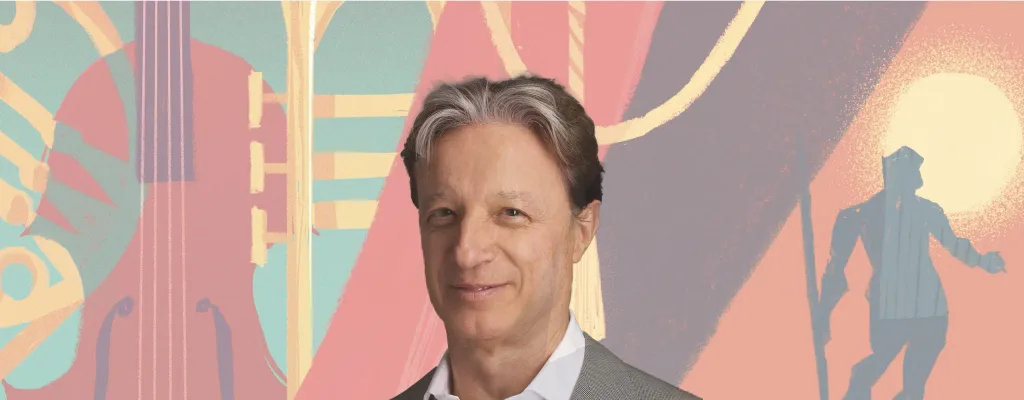
- Music
- Aram Il’ič Chačaturjan, Dmitrij Dmitrievič Šostakovič
- Conductor
- Roberto Abbado
Concerts
Symphonic
Chauhan, Brunello
6 November 2026
Teatro Auditorium Manzoni

- Music
- Mieczysław Weinberg, Anton Bruckner
- Conductor
- Alpesh Chauhan
Concerts
Symphonic
Bolton
20 November 2026
Teatro Auditorium Manzoni
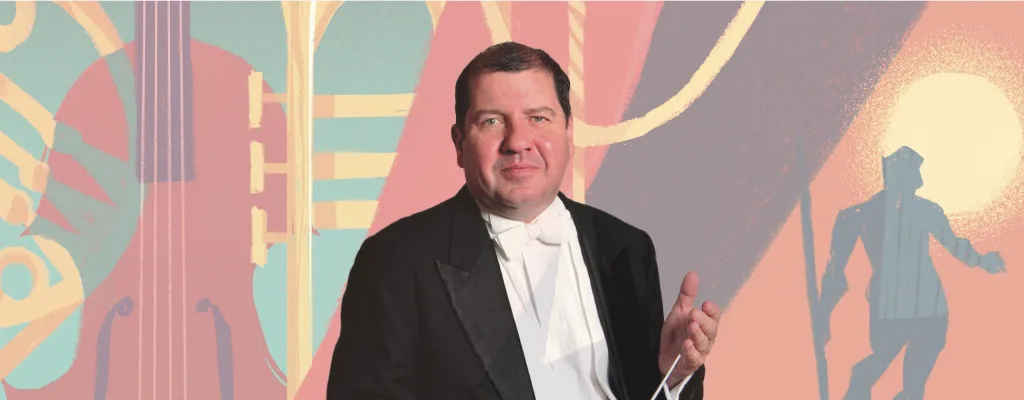
- Music
- Franz Joseph Haydn
- Conductor
- Ivor Bolton